Content · August 22, 2026
Stop asking people to share. Make something they want to.
If you have to beg for shares, the moment was never worth sharing.
Content · August 22, 2026
If you have to beg for shares, the moment was never worth sharing.

“Please share” is the marketing equivalent of asking strangers to clap for a joke they did not hear. If the moment was worth retelling, people already would. If it was not, the ask only highlights the gap.
The best marketing does not ask people to share. It designs something they want to show: a useful result, a status signal, a surprise, a story with a punchline. Shares are an outcome. Begging is a symptom.
| Moment | Bad (ask) | Good (earn) |
|---|---|---|
| Post | “Tag a friend who needs this” | A result or joke people want to own |
| Product | Referral code as the whole idea | A moment so specific it becomes a story |
| Campaign | Share-to-enter without a reason | Personalised payoff (Wrapped-style) or collectible object |
| CTA | Beg for distribution | Make the next step useful or delightful |
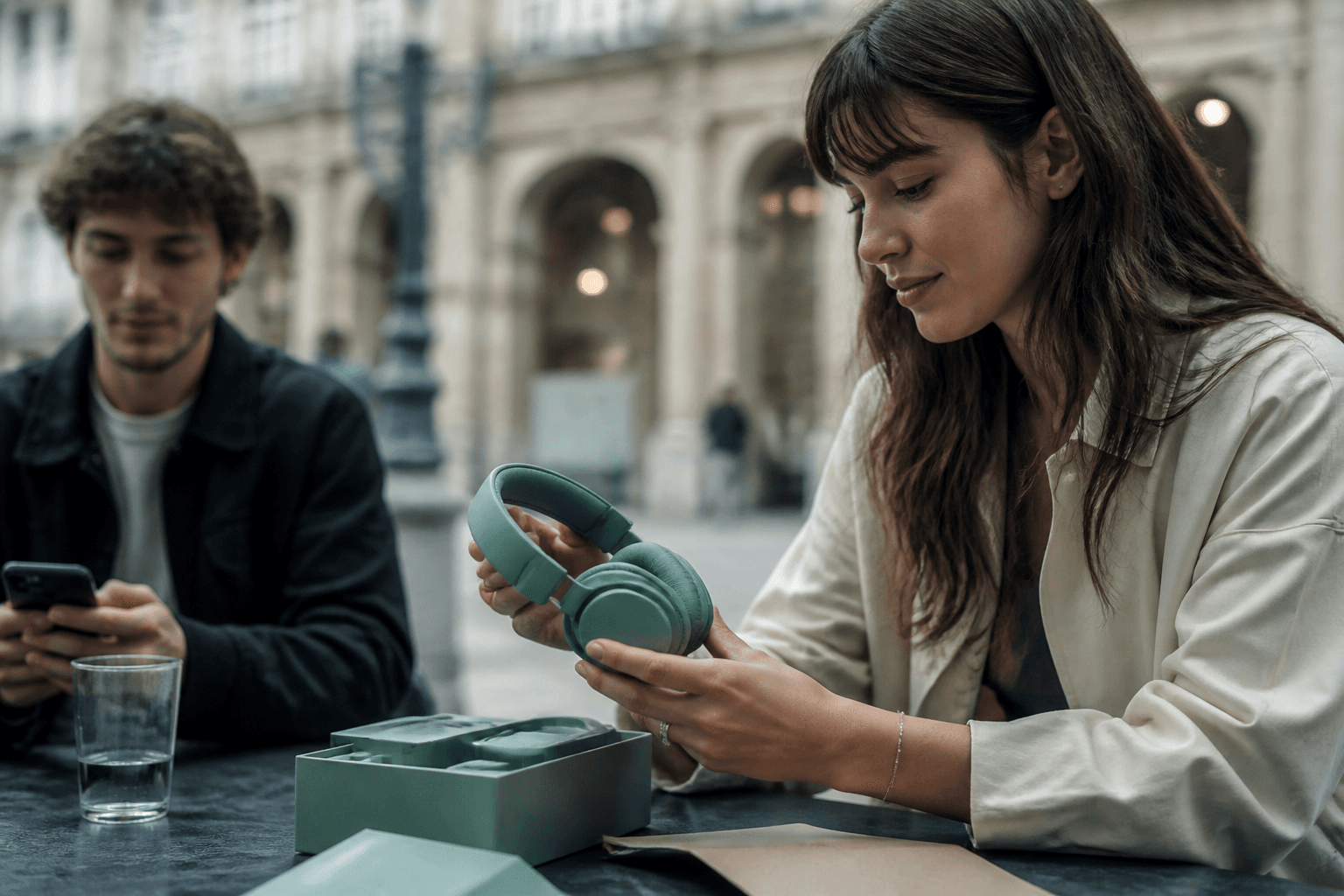
**Bad consumer brand:** endless “share if you agree” captions on product flat-lays. **Good consumer brand:** packaging, unboxing, or a yearly recap people photograph because it reflects them, not because you asked.
**Bad hospitality:** “repost for a chance to win.” **Good hospitality:** a stay detail so specific guests tell the story at dinner. Outdoor and travel brands win the same way when the product creates a scene, not a share prompt.
See also people rarely share advertisements; they share stories. For how people decide what to pass on, Nielsen Norman Group and Harvard Business Review both cover social proof and word of mouth without treating it as magic.
Welcome to the journal. nau studio helps brands design talkable moments so distribution starts as behaviour, not a caption ask.
Visit nau studioContinue reading
A complementary essay from the same thread.
Swipe left for next, right for previous.
Up next · Content
Digital belief is cheaper when something physical made it true first. Bad vs good online/offline loops.
Read essay →Let the right audience find you through one connected campaign. That's the impact we build together.

Stefani Dimitrova
Organic GTM & Product Storyteller