Content · August 18, 2026

They won't remember the post. They'll remember the feeling.

Feeds forget. Feelings don't.

They won't remember the post. They'll remember the feeling.

Ask someone what your brand posted last Tuesday and watch the polite blankness arrive. Ask how you made them feel the last time something mattered-support when it broke, a public moment when they felt proud, a detail that made them feel seen-and the answer comes with a story attached. Feeds forget. Feelings do not.

People remember how your brand made them feel, not what it posted. That is not an argument against publishing. It is an argument against mistaking the publishing schedule for the memory system. Posts are weather. Feeling is climate.

This piece sits beside most growth strategies ignore the one thing people actually remember, which makes the emotion-versus-optimisation case. Here the focus is sharper: feeling as the residue of marketing in the wild-how to design it, how it travels without share asks, and how it outlives the feed that tried to carry it.

Why posts evaporate and feelings stick

A post competes with thousands of other rectangles the same day. A feeling attaches to identity, status, relief, or belonging-things the brain bothers to keep. Marketing that only produces content produces forgettable weather. Marketing that produces felt moments produces climate people carry into recommendations.

  • Memory privileges emotion over information under load.
  • Feeds train audiences to skim; feelings train audiences to retell.
  • Posts centre the brand calendar. Feelings centre the person’s story.
  • You cannot A/B test your way into a feeling worth keeping-only refine the path once the feeling exists.

I have watched teams ship thirty assets in a month and still be unmemorable because none of the assets created a bodily or social spike: pride, relief, delight, competence, mild awe. Related: memorable brands don’t interrupt-they give something worth remembering.

Feeling is not fluff. It is a distribution system.

Emotion is how stories become portable. People share what makes them look generous, sharp, or alive-not what makes your content calendar look full. That is why people rarely share advertisements-they share stories they happened to be part of, and why the best marketing doesn’t ask people to share it.

Feeling also warms digital belief. A stranger who felt something in public arrives online with a different prior. Ads become reminders. Pages become continuations. Belief gets cheaper when the body was involved first-the internet still needs the real world.

Person leaving a brand experience with a clear emotional memory
Post-led brandFeeling-led brandWhat people keep
Cadence of assetsCadence of momentsStories, not captions
Optimises for engagement rateOptimises for retellable emotionWord of mouth
Brand voice as style guideBrand voice as felt consequenceTrust under stress
Success = publish volumeSuccess = memory + next stepRelationships
Creative invents moodCreative documents lived moodCredibility
If the only feeling your marketing creates is mild obligation to “engage,” you have built a content chore-not a brand memory.

A framework: spike → scene → residue → recall

1. Spike: name the one feeling you are willing to own

Pick one primary spike per campaign: relief, pride, belonging, competence, delight, righteous clarity. Brands that chase five feelings at once usually deliver none. Specificity is kindness to the audience and to the creative team.

2. Scene: build a situation that causes the spike

Feelings need scenes-places and behaviours-not adjectives. A demo that removes embarrassment in under three minutes. A public invitation that makes someone feel early. A support ritual that turns panic into steadiness. Listen for the scene before you film it: why your next campaign should begin with a conversation, not a camera.

3. Residue: leave a footprint of the feeling

Artefacts, stamps, photos, follow-up notes, return invitations-residue keeps the feeling from dying with the moment. Good marketing leaves footprints before impressions: good marketing leaves footprints before it leaves impressions. Photogenic residue helps without begging: how to create marketing people photograph.

  • Match the artefact to the feeling (pride likes displayable; relief likes useful).
  • Bridge to a next step while emotion is warm.
  • Document with consent and keep texture-sterile joy reads as fiction.
  • Put lived proof near CTAs online, not only in a forgotten album.

4. Recall: design for the dinner-table retelling

The final test is whether someone can retell the feeling in twenty seconds without your caption. If retelling requires your brand deck, the feeling was never owned by them. Street-to-phone systems help recall travel: a good street campaign doesn’t end on the street.

Where feelings are made in the wild

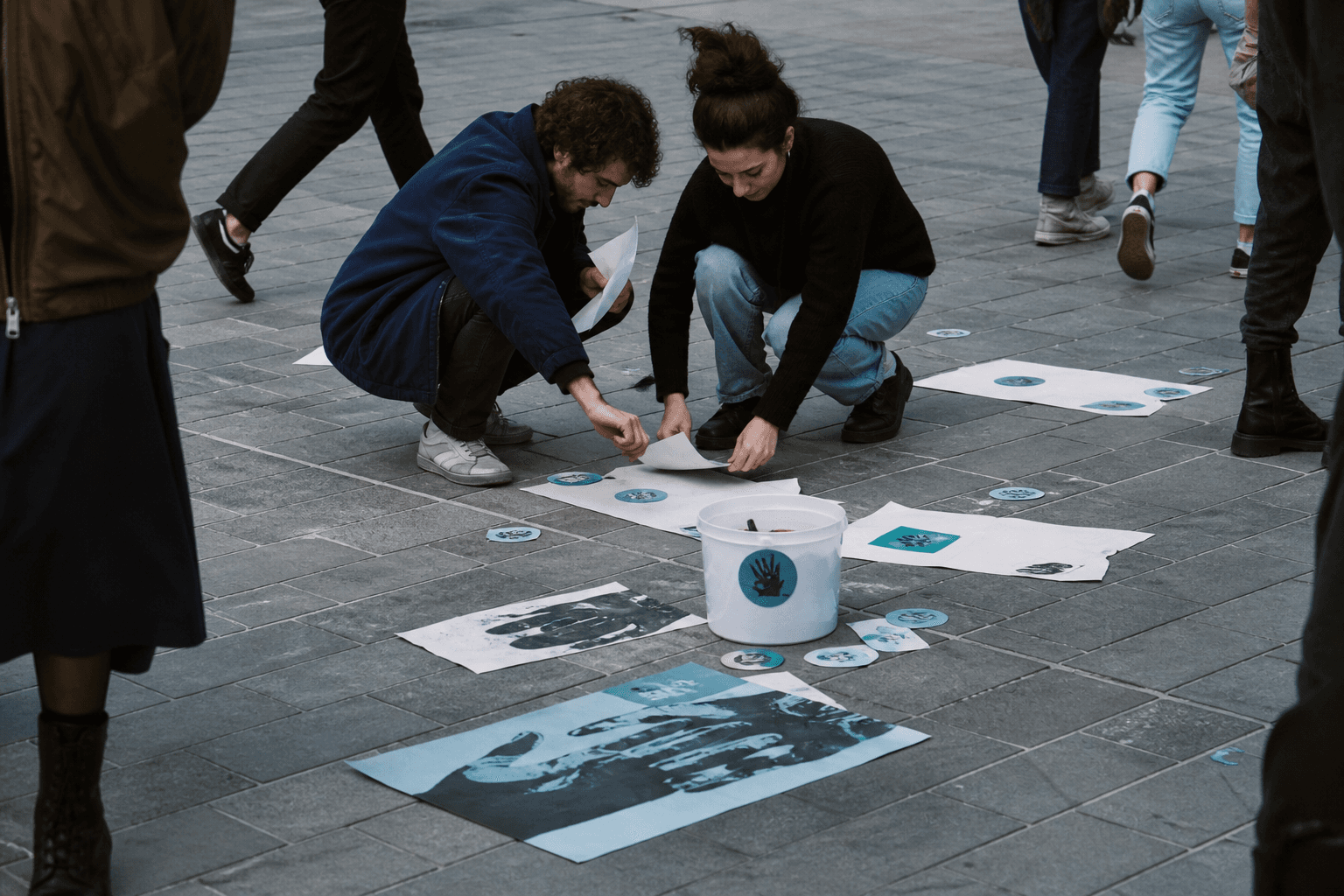
Feelings rarely start in the CMS. They start in queues, markets, dinners, support threads that resolve with dignity, product details that remove shame, local rituals that make a city feel briefly yours. Your city remains an underrated studio for this work: your city is the most underrated marketing channel. A walk still beats another content brainstorm: your next marketing campaign should start with a walk.

Offline contact also supplies the credibility factory digital needs-see the companion essay why the internet still needs the real world and the best marketing doesn’t always start behind a screen.

Examples: remembered for the feeling, not the grid

Brands people defend in arguments usually delivered a feeling under stress or a feeling in public. Hospitality that recovered a ruined evening. Products that made someone look competent in front of peers. Events that created belonging without forced networking theatre. The post about those moments matters less than the moment.

Fictional contrast: “Harbor,” a sleep brand. They post sleep tips daily; engagement is polite; memory is nil. They run a one-night “quiet room” pop-up for night-shift workers, with earplugs, dim light, and a simple check-in. People leave describing relief, not “content.” Later posts that show that night outperform a month of tips because they carry a feeling someone already had-or wished they had.

  1. Audit the last quarter: which moments created feelings, which only created posts?
  2. Assign one spike to the next campaign and refuse extras.
  3. Design the scene in a real place before booking production.
  4. Build residue and a recall path into the budget.
  5. Brief creative to document feeling, not to simulate it with stock faces.

How to measure feeling without pretending it is a pixel

You will not get a perfect feeling KPI. You can get useful proxies: phrase repeats that name emotion, unprompted stories in sales and support, return-to-moment rates, save/share behaviour without incentives, qualitative “I felt…” language in reviews, willingness to introduce you to a peer. Attribution will be messy. Memory was always messy.

MetricWhat it suggestsTrap to avoid
Emotion-named mentionsWhether spikes landedCoding every emoji as brand love
Unprompted storiesWhether recall is workingLeading the witness in surveys
Referral without rewardWhether feeling created status/utilityBribing shares and calling it emotion
Return to ritual / placeWhether belonging formedOne-off stunts without cadence
Support recovery praiseWhether stress feelings were handledIgnoring service as marketing

What research is useful for

For memory, emotion, and decision-making beyond marketing folklore, Harvard Business Review remains a solid bridge to research. Nielsen Norman Group is practical on emotional design in interfaces when the feeling includes a digital product moment. Campaign helps when you want case studies of experiential work that left more than a hashtag. None replace designing a scene someone would bother to retell.

How this shows up in my work at nau

At nau I treat feeling as part of the growth system: scenes in the world, residue that travels, digital that reminds rather than invents. Publishing still matters-as documentation and invitation-not as a substitute for being memorable. Earned growth is still earned: organic growth isn’t free; it’s earned.

Isn’t focusing on feeling soft and uncommercial?

No. Feeling predicts retelling, retention, and referral. Those are commercial. Soft is shipping posts nobody remembers and calling it a brand.

Can we create feeling purely online?

Sometimes-through product moments, support, and community rituals. High-stakes categories usually still benefit from embodied scenes that warm the prior.

What if our category is boring?

Boring categories are full of anxiety and relief. Own the relief. Competence and calm are feelings. Spectacle is optional.

How often should we create a spike?

Often enough to keep climate alive-cadence over fireworks. One honest scene a month beats twelve forgettable posts a week.

Be memorable for the climate you create

People remember how your brand made them feel, not what it posted, because memory is not a CMS. Build scenes that spike. Leave residue. Make recall easy. Then publish as a trail of evidence-not as a plea to be noticed in weather that forgets you by Thursday.

Want help designing brand moments people feel-and still remember when the feed has moved on?

Talk about your growth system

Let the right audience find you, with 10 videos only. That's the progress we build together.

Stefani Dimitrova

Stefani Dimitrova

Organic GTM & Product Storyteller